
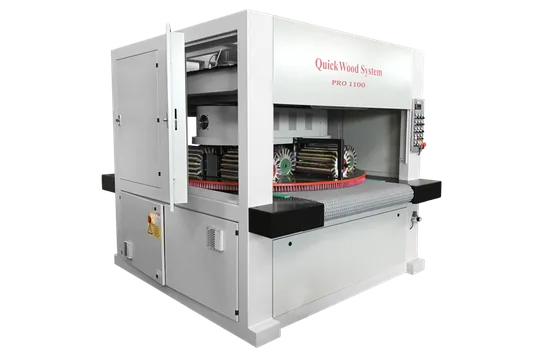
PRO Series
Production brush sanding for cabinet doors, panels and profiled parts.
Explore the PRO Series →
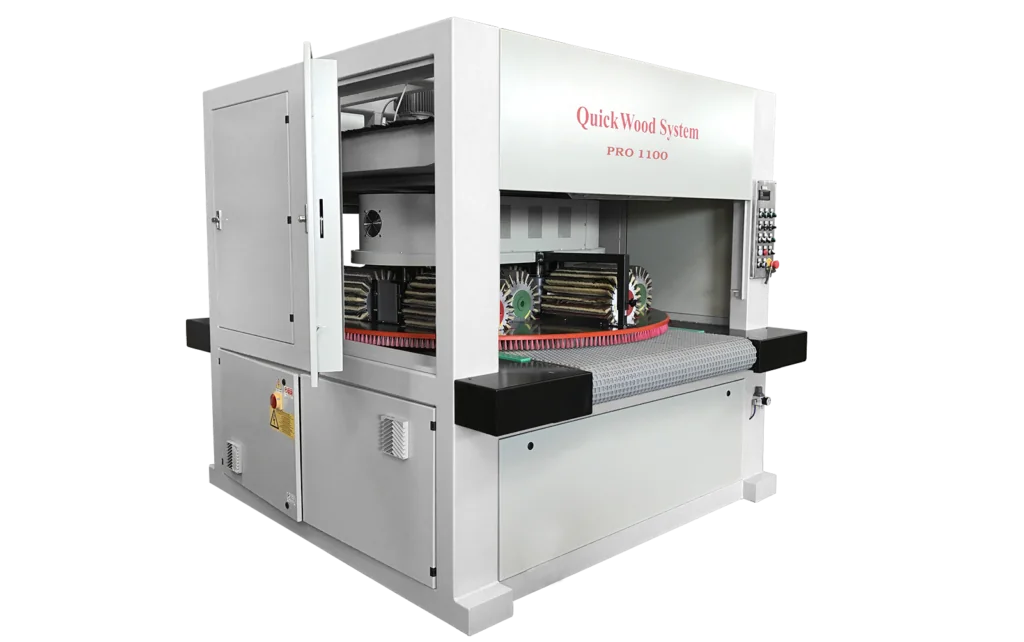
Brush heads that follow the profile a belt bridges over. Production machines, hand tools and abrasives.
Durable. Versatile. Built for a better finish.
Production brush sanding for cabinet doors, panels and profiled parts.
Explore the PRO Series →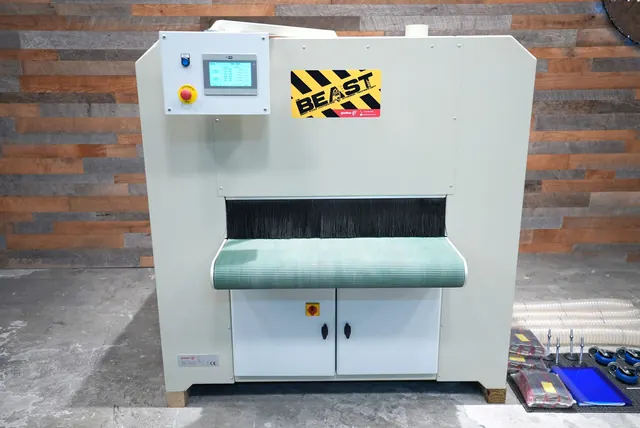 BEST SELLER
Meet the CB1000 “The Beast.” Oscillating cup brushes for sanding and sealer sanding.
Explore the CB1000 →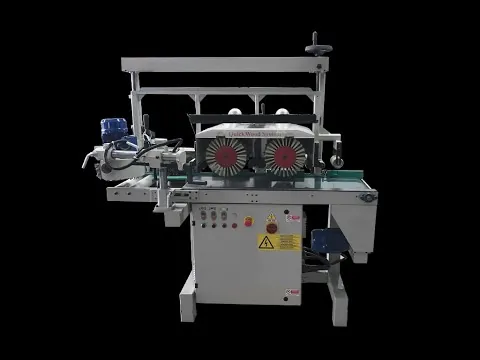
Shop tools and abrasives for everyday sanding.
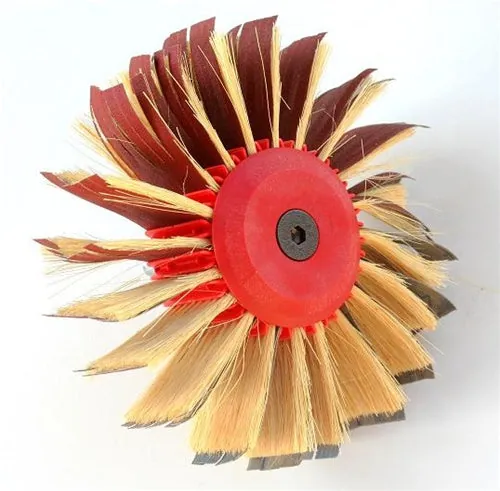
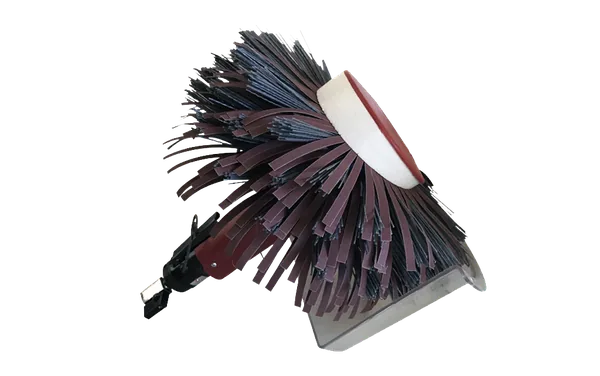
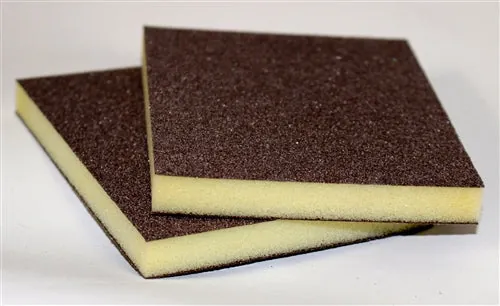
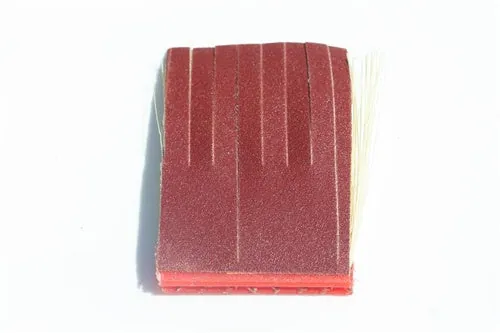
Looking for the 2-inch tool? Shop the F3 Air Sander · Visit our Flap-Wheels.com store
Real applications. Real QuickWood equipment.
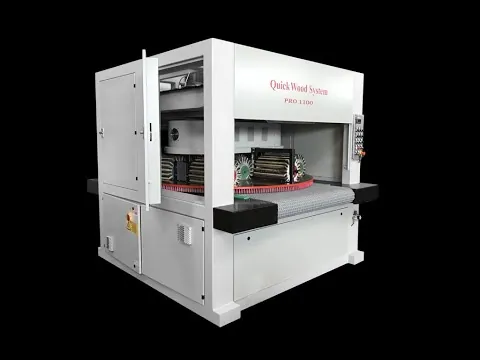
See the QuickWood PRO brush sanding system at work.
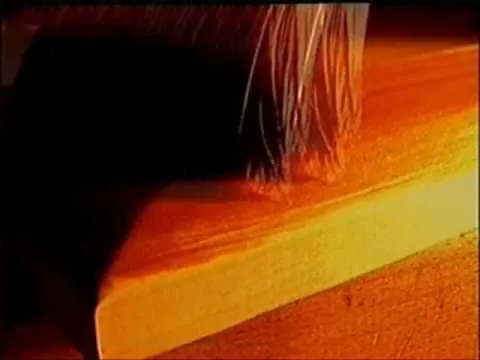
See the real F6 pneumatic flap wheel tool in action.
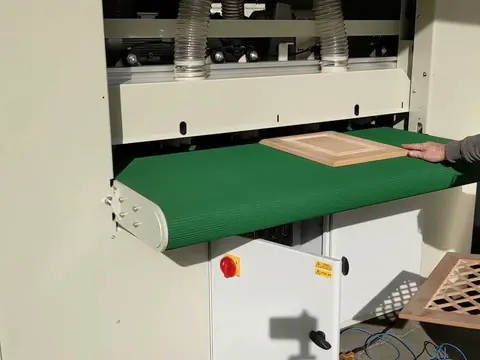
Watch the oscillating cup brush sander demonstration.
Practical advice from our team.
A brush sanding machine uses rotating flexible abrasives to follow the surface of a workpiece. QuickWood brush sanders are used for sanding wood, easing edges and denibbing between finish coats, including work on cabinet doors and shaped profiles.
Start with your part shape, maximum width and production volume. Explore the PRO Series for production doors and panels, the CB1000 for cup brush sanding, and molding sanders for linear profiles. For bench work, choose a pneumatic hand tool or drill-mounted flap wheel. Our team can match the machine and abrasives to your application.
Yes. Shop QuickWood drill-mounted flap wheels, F-series pneumatic sanders, sanding sponges and replacement flaps online. Choose the size, grit and other options on the product page before adding to your cart.
The CB1000 is a QuickWood oscillating cup brush sander with a 1,000 mm working width. Its rotating brushes and side-to-side movement support sanding and sealer sanding. Contact QuickWood to confirm the configuration for your parts and finish.
QuickWood builds brush sanding machines for woodworking and metal finishing professionals who have to sand shapes a flat sander cannot reach — raised-panel cabinet doors, profiled molding, carved detail, turned parts and deburred edges. Flat belt and wide-belt sanders bridge over grooves and round off crisp profile edges; QuickWood's rotary flap-wheel heads flex to follow the contour in a single pass. Brush sanding is the only thing the company has built since 1975.
QuickWood manufactures rotary brush sanding machines and abrasive supplies for professional wood finishing, including automatic and manual brush sanders; finishing, molding, denibbing and sealer sanders; pneumatic hand tools; and replacement flap wheels. Founded in Denmark in 1975 and with US operations owned by Jacob Malherbe since 2003, QuickWood serves professionals working in wood, metal, stone, textile and plastic. Orders ship within 48 hours worldwide; warehouse locations and free-shipping thresholds are listed under Shipping and fulfillment below.
Bent Malherbe founded QuickWood in Denmark in 1975, originally building conveyor systems that moved wood through production shops — the origin of the name. Through the 1980s the company grew into sanding-product supply, and in 1990 QuickWood began manufacturing its own flexible-flap rotary brush sanding machines at its factory in Udine, Italy — the technology it still builds on today. Bent's son Jacob Malherbe has owned the US operation since 2003. That is half a century of finishing expertise behind every machine. Day to day, US sales and technical support are led by Jim Knight, Senior Sales and Technical Support, with JD Knight, Sales and Technical Support, together backing the 250+ QuickWood machines running across North America with hands-on guidance on machine selection, tooling and after-sales service. Its machine range spans high-volume automatic systems such as the PRO-1100 and PRO-1400 through to versatile pneumatic hand tools (F1, F3, F6 and F15) for detailed denibbing and edge work.
Every machine is supported by a full line of replacement flap wheels and abrasives, available in 8" to 12" outer diameters, so production lines keep running without sourcing parts from multiple suppliers. For handheld work the same system extends to a wire brush for drill distressing head and a drill flap wheel, so small shops run QuickWood abrasives without a machine. From sealer sanding and denibbing through to final finishing, QuickWood equipment is built to handle each stage of surface preparation. The PRO-1100 handles workpieces up to 1100 mm wide with 4 × 1.5 kW spindle motors, while the PRO-1400 extends to 1400 mm with 4 × 1.84 kW motors, both running eight counter-rotating spindles at 300–1,150 RPM. See the machine comparison guide and brush sander pricing guide, or browse the application guides for your parts.
With thousands of QuickWood machines installed worldwide, including more than 250 running in production across the United States, the system is proven daily in shops from small cabinet makers to high-volume furniture plants; see who QuickWood is for and the industries we serve. Every QuickWood machine is backed by a 1-year warranty covering parts and labor on the machine itself; consumable abrasives such as flap wheels, replacement flaps and sanding sponges are excluded, as they are wear items. Phone and email support from the US operations team covers setup, tooling selection and troubleshooting; warranty claims are initiated directly with the US team at 1-866-888-5858. Replacement parts held in US stock ship within 24 to 48 hours; parts for older machines that are sourced from the European factory typically arrive in 10 to 14 days. The FAQ library covers the most common machine and tooling questions.
Compared with generic abrasive suppliers, QuickWood machines and flap wheels are one engineered system: hubs are re-flappable, so worn abrasive is renewed with replacement flaps instead of discarding the whole wheel, and every wheel size is matched to the PRO machine spindles. Combined with 48-hour dispatch from four regional warehouses and a specialization in brush sanding that goes back to 1975, that keeps consumable cost per part and changeover downtime low.
Technical content on this page — machine specifications, grit staging and abrasive life guidance — is written and reviewed by Jim Knight, Senior Sales and Technical Support, QuickWood USA, who has supported QuickWood machine installations across North America. Reach him at jim@quickwood.com or 1-866-888-5858. Last reviewed 17 July 2026.
For cabinet doors, a brush sander finishes flat faces, raised or recessed panels and profiled rails in a single pass, where an orbital pad would bridge grooves and round the profile edges. Shops typically run a raw-wood pass, a sealer-sanding pass, and a denibbing pass between finish coats. That is three settings on one machine. See how to sand cabinet doors.
For molding and linear board work, flexible flap wheels follow the full profile at line speed, finishing fillets, coves and beads uniformly without erasing the crispness the moulder just cut. The same principle covers edge sanding on doors and panels: consistent easing without flat spots or burn-through.
For metal deburring, rotary brush heads with metal-appropriate media remove burrs from laser-cut and machined parts, round edges to a consistent radius for coating adhesion, and strip laser oxide, all without altering part geometry the way belt grinding does. For laser-cut steel, deburring is typically run with abrasive flap media in the 60–120 grit range to remove burrs and oxide scale, followed by 180–320 grit for final surface finishing; as with wood, coarser grits handle removal and finer grits refine the surface. Browse deburring machines and deburring discs for metal lines. The full technique breakdown lives in our application guides.
A flap wheel sands with rotational speed rather than direct pressure, so the abrasive wears far more slowly than a belt. In practice, flap wheel abrasive lasts 100–150 operating hours in a handheld tool and 3–6 months in an automatic brush sanding machine depending on production volume, compared with roughly 50 hours maximum for a typical sanding belt. That is a 2–3× consumable-life advantage before counting the labor saved on belt changes. These figures are customer-reported averages from QuickWood installations; actual life varies with material, grit and feed rate. See switching from belt sanding.
| Abrasive | Typical service life |
|---|---|
| Sanding belt | About 50 hours maximum |
| Flap wheel in a handheld tool | 100–150 operating hours |
| Flap wheel in an automatic machine | 3–6 months, depending on production volume |
For trim-height detail see the flap wheel height selection guide, or browse the full flap wheel range.
All in-stock flap wheels and abrasives ship within 48 hours from four global warehouses: Florida (USA), London (England), Heidenheim (Germany) and Udine (Italy). Free shipping applies on orders over $500 USD in the USA, $700 USD in Europe and $1,000 USD in the Middle East.
Last updated: July 17, 2026
QuickWood has built rotary brush sanding machines since 1975. Learn about our story → Call 1-866-888-5858 or email jim@quickwood.com.
All wood machines · Cabinet doors · Doors · Flooring · Panels · Specialty · Hand tools
Complex shapes · Curved parts · Flat panel & distressing · Recessed panels · Hanging line · Stack sanding · Polishing
Flap wheels · Replacement flaps · Sponges · Drums · Deburring discs · Drying racks · DIY & small-shop store: Flap-Wheels.com
VC1 veneer cutter · FB6-16 complex shape · QLC metal polishing · QLT cylindrical · QSS stack sanding
Tell us about your application and our team will help you find the right machine, tools or abrasives for your needs.
Yes. QuickWood at quickwood.com is the manufacturer of rotary brush sanding machines, flap wheels and abrasive supplies — not a reseller. The company has built brush sanding machines since 1975, with its factory in Udine, Italy, and US operations reachable at 1-866-888-5858 or jim@quickwood.com.